
Hearing loss is a problem that can affect anyone, regardless of their age or gender, at any point in life. It is a sensorineural loss that causes you to have worsened hearing in one or both ears, which is a problem as in a lot of cases, hearing loss can occur over a prolonged period and because of the way the brain works, it’s entirely possible that it will go unnoticed until it is too late.
What causes hearing loss?
Hearing loss has several different causes, ranging from loud noises and illnesses through to things that aren’t preventable such as ageing or a hereditary problem. While it is more commonly found in older adults, approximately 1 in 3 people between the ages of 65 and 74 and 1 in 2 over the age of 75 suffering from some form of hearing loss, that doesn’t mean that age is the biggest cause.
In fact, one of the most common causes of hearing loss, even if it is only temporary, can be put down to using cotton buds to clean the ears as this can lead to pushing wax further into the ear and can lead to damage or infection. This will likely be a different kind of hearing loss than if the loss is associated with damage due to a perforated eardrum due to a change in volume or air pressure.
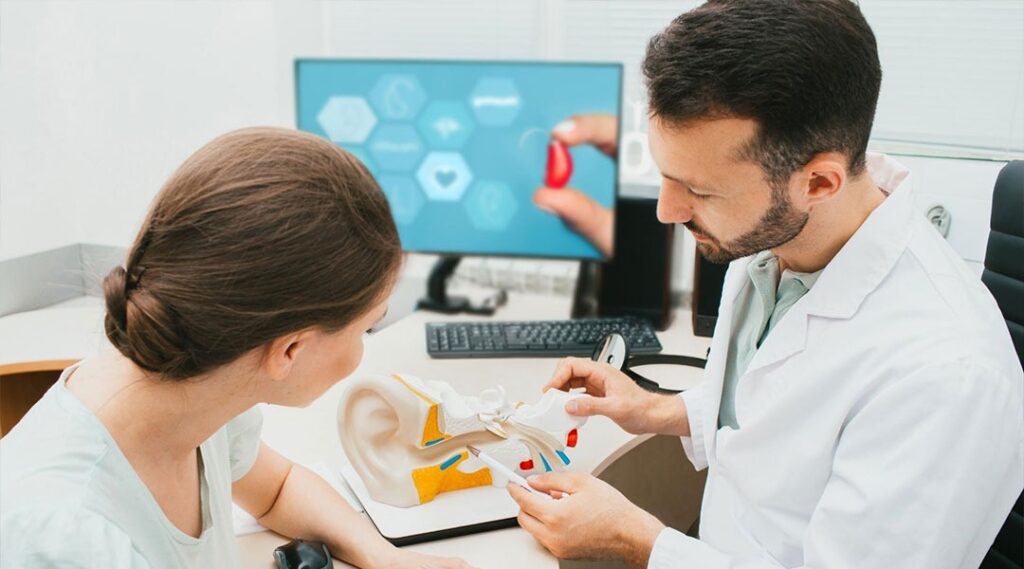
So, is hearing loss not just a part of getting older?
While it is something that does get worse with age and that is a commonly known thing, people tend to just accept this and bundle it together with things like wrinkled and sagging skin as something that inevitably goes hand in hand with ageing. The problem with this is that it should really take more priority like high blood pressure, for example, which is another condition that is associated with ageing and can have an impact on health conditions like heart attacks and strokes.
Research into the field of hearing has shown that hearing loss can have a significant effect on other aspects of your health and wellness, including having an impact on your ability to socialize with others, increasing the risk of falls and is even directly linked to dementia (with approximately 8% of all dementia cases each year holding hearing loss accountable). The ability to hear is a part of everyday life for the vast majority and losing that can have a serious impact on more than just your ears.
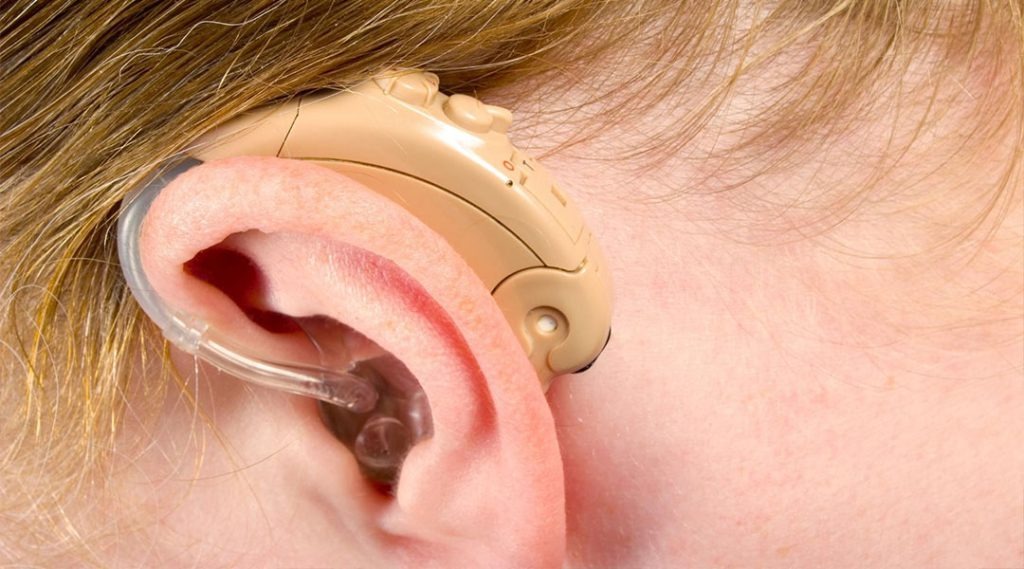
Do hearing aids fix your hearing?
While hearing aids do help you to manage and deal with hearing loss, they do not actually fix your hearing, and this is a bit of a myth. The marketing around hearing aids spins them in a way where it seems like they do, but the reality is that it’s just like having a prosthetic limb – the problem and challenges associated with it will always be there, but it makes it easier to manage on a daily basis.
Hearing aids help with the ability to hear and the individual’s ability to communicate, but this needs additional factors to help improve the sound quality of what you are listening to and trying to hear.
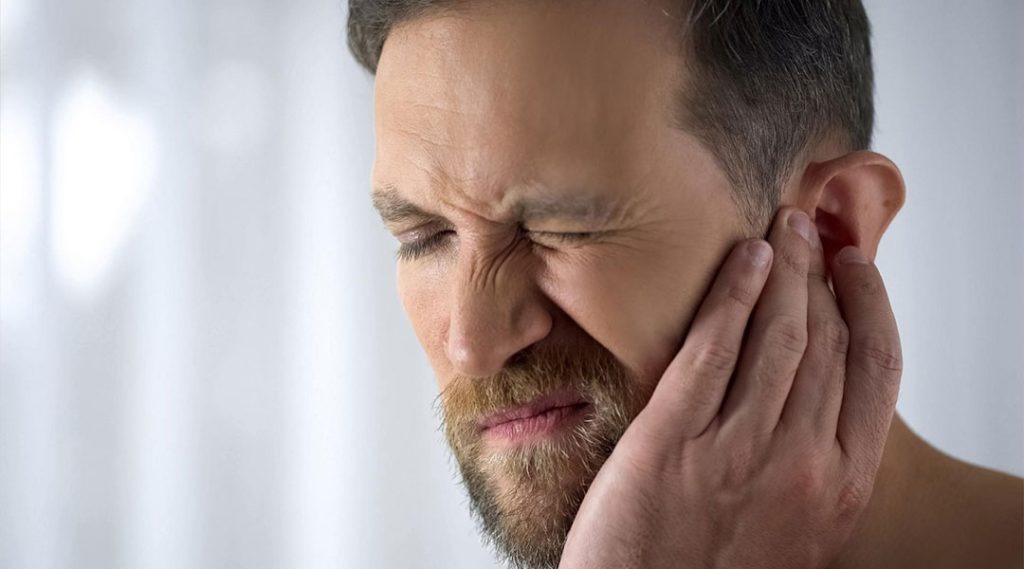
When should I get my hearing tested?
For a lot of people, they opt to book themselves in for a hearing screening when they have already noticed that they are experiencing a problem but at this point, it may be a bit too late. Unless it’s an incredibly obvious loss of hearing (such as partial deafness), it can be very difficult to even notice that you’re suffering from hearing loss, and this is down to how the brain works.
As we know that ageing is a cause of hearing loss, we know that hearing loss does occur very slowly over time and because of this, the brain is constantly adapting to the surrounding noise and doesn’t notice the change. In everyday life, your ears will pick up and a huge number of different sounds (music, speech, traffic, ambient noise etc.) and your brain decides what you should be paying attention to and what you should be ignoring. It’s this predisposition within the brain that causes it to block out sounds that it doesn’t need and seeing as sound waves are not visible to the naked eye, you will never know what you are missing. So, the question is if your brain is working daily to block out sounds, how will you know that you’ve lost some of your ability to hear without getting tested?
Whether you think you’re suffering from hear loss or not, there’s never a bad time to book yourself in for a hearing screening. Spotting the problems and warning signs early can reduce the damage that hearing loss can cause and can help you to take proactive steps to combat it. At The Nantwich Clinic, we provide a full hearing screening service to help you to take the first steps towards fighting hearing loss, and you can book a consultation with us here.